For The Athlete

Micro-Experiment Process
The focus of the micro-experiment is to learn. This learning accelerates your abilities to level up your performance. Instead of expecting each micro-experiment to yield perfect or excellent results or immediate mastery, you embrace the idea that every trial provides a valuable learning opportunity.
The Dirt Dynamics Lab approach propels you into a positive, self-reinforcing loop where success leads to further success. So, gear up, dive into the process, and watch how your micro-experiments lead to significant breakthroughs in your performance!

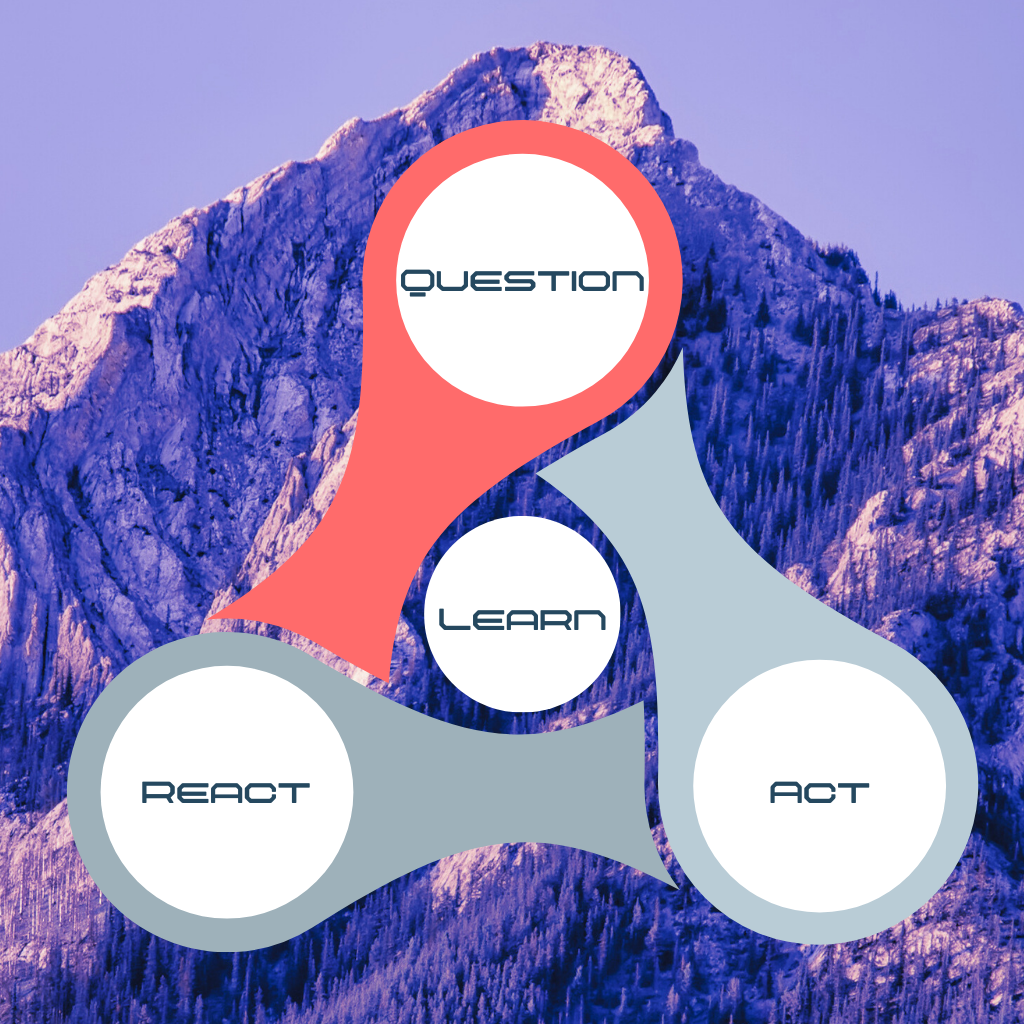
Question Everything
Identify Your Area of Curiosity/Improvement: What aspect of your performance are you curious about or want to improve? This could be anything related to:
- Technique (e.g., cornering, climbing, descending)
- Training (e.g., interval training, recovery strategies)
- Nutrition (e.g., pre-ride fueling, hydration)
- Mental Skills (e.g., focus, visualization, managing anxiety)
- Equipment (e.g., bike setup, gear choices)
- Recovery (e.g. sleep, stretching)
Ask a Specific Question: Turn your area of curiosity into a specific question.
- Example 1: “What is the effect of a 10-minute meditation session on my pre-race anxiety?”
- Example 2: “How does changing my tire pressure affect my grip on loose terrain?”
Carry Out Plan of Action
What will you do? (Be specific and actionable)
- Example 1: “I will ride three different sections of trail three times each, using tire pressures of 20psi, 23psi, and 26psi.”
- Example 2: “I will practice a 10-minute guided meditation session for 5 days before my race.”
How will you measure/track your results? (What data will you collect?)
- Example 1: “I will record my perceived grip level for each lap and record times.”
- Example 2: “I will rate my anxiety level (on a scale of 1-10) before and after each meditation session, and journal about my feelings.”
What is your timeline? (How long will you conduct this experiment?)
- Example 1: “I will conduct this experiment over the next week.”
- Example 2: “I will conduct this experiment for the 5 days leading up to the race.”
Reflect & React on Actions
Analyze Your Data: What did you find? What patterns or trends did you notice?
Summarize Your Findings: In your own words, briefly describe what you learned from your experiment.
Reflect on the Process:
- What went well?
- What challenges did you encounter, and how did you overcome them?
- What surprised you?
Draw Conclusions:
- Did your experiment answer your initial question?
- Will you make any changes to your training, technique, or approach based on what you learned?

Lab Learning
- Learning is to see and experience the world differently.
- Learning has multiple paths and possibilities.
- Learning does not have a specific sequence.
- Learning takes place everywhere, both on and off the bike.
- Learning is low stakes, meaning it’s not a big deal if it doesn’t turn out the way you expected.
- Learning is a cycle of revisiting and upgrading your skills and knowledge. Each time you loop back, you understand it better, and that understanding helps you figure out what to try next to get even better!
- Learning is all about building on what you already know to become a smarter, more skilled athlete.